


A goal clip naturally follows the player with the ball. For a short video about a Maltese club’s training session, I would start one pass earlier. A winger moves wide and a second player runs through the gap that opens behind them. In a crowded frame the second move can go unnoticed, even though it is the part I want the viewer to see. I would build the edit around a real wide shot of the drill, a brief illustration of the two paths, and a return to the recorded footage. For a feature on Malta’s domestic league, I would present that drill as an example with one willing local club. The short video could give supporters a better view of a move they might miss when watching from the stands.
Leave both players inside the frame
I would ask the club to film an agreed drill with adult players and position the camera high enough to see both paths. The first take would stay wide throughout. A second camera could get a side view without following the ball. I would record the entire example, starting before either player moves, so there is enough material to show how the space opens. One still from the wide view would fix the positions of the players at the beginning. Another would show where they end up. I would put the two stills side by side while deciding where the illustrative section belongs.
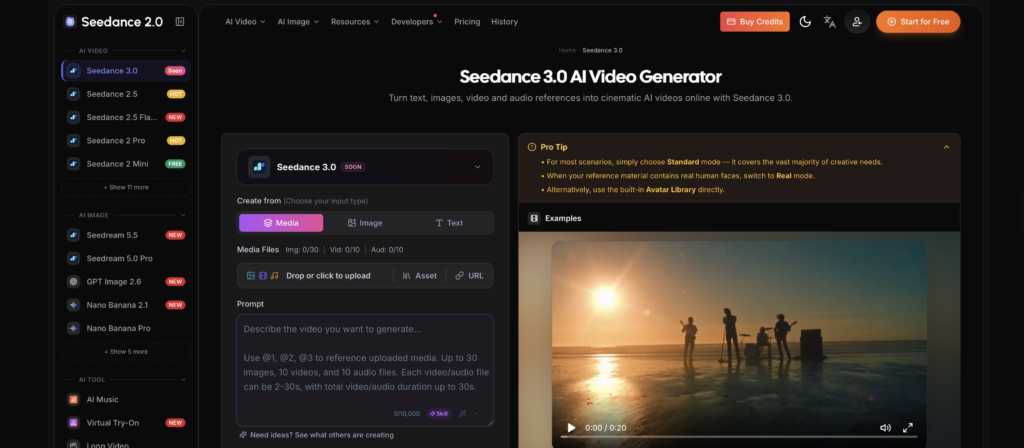
The replay I would plan in seedance 3.0 would show two anonymous figures from a slightly elevated angle. The reference still would give it the markings and broad dimensions of the training area. A small piece of recorded footage would describe the direction and speed of the wide run. The written brief would name the player who moves first and tell the camera to stay far enough back to keep the other path visible. I would label the output as an illustration and keep the club’s real kit and player identities in the recorded section.
Check what happens before the pass
I would make an early text-to-video sketch in Seedance 3.0 with the camera looking down over the near touchline. Another sketch could start behind the pass and show both runs moving away. The angle from the touchline makes it easier to compare where the two players start. The view from behind the pass can show the depth of the space once it opens. I would choose the first angle if the clip needs to fit inside a short match preview. The second would work if I can afford one more shot to orient the audience.
For an image-to-video pass I would start from a simple study frame containing both figures and the same two pitch markings. I would avoid making the camera swing around them. The point of the illustration is to see the distance between the two runs change, so the view can remain fixed until the second player reaches the open space. I might put a small mark above that player in the editing software. If the figure is hard to spot on a phone, a short freeze also gives the viewer a chance to find the correct movement.
Let the recorded sound identify the real drill
I would keep the sound of boots on the pitch and ask the coach if I can use a short cue from the drill. I would choose a moment without a private conversation nearby. A brief part of that sound could go into Seedance 3.0 with the still, footage and written direction as a timing reference. In the finished video I would keep the coach’s real voice over the real view. The illustrative cut might use a quieter version of the recorded ambience or simply give the audience a moment to absorb the movement before the next instruction.
The animation does not need a cheering crowd to feel connected to football. I would leave some room around the sound of the pass. It can be enough to mark the moment at which the second run becomes useful. If the film starts silently in a social feed, I would put a label on the paused frame just before the pass. Then I would let the replay continue long enough for the viewer to see where the other player goes, without making them search for two pieces of text at once.
Return to the wide shot when the illustration stops matching
The first Seedance 3.0 draft might make the second player move too early. If I notice that, I would shorten the illustrative section and start closer to the moment the winger turns toward the touchline. That gives the generated shot one timing decision to make. I would also keep the original training footage on a separate track. If the gaps between players no longer look plausible in the animated shot, I can pause the recorded angle and draw the two paths over it instead. The exact sequence should come from footage I can show to the coach.
A second check would be to watch the edit vertically. If the crop removes the winger as soon as the second run begins, I would cut to a different recorded angle or leave larger margins around the original wide shot. What matters is that the viewer sees both parts of the move. A tighter edit might feel more energetic, but it could take away the clue that made the whole example intelligible. I would rather let the wider image play a little longer and keep the action visible.
If the club wants to compare a version for its match preview with a later coaching cut, I would check seedance 3.0 pricingbefore budgeting new illustrations. The wide view can stay the same so supporters always see the actual move in context.
The end would return to the real recording and let the drill run once at its original pace. After using Seedance 3.0 to work out where the illustrative cut belongs, I would play the final video for someone who has not seen the session. I would ask them to point out the second run before the ball leaves the first player’s foot. If they can find it in the real wide shot, the middle section has shown them something about the move that they can look for again on another day.