
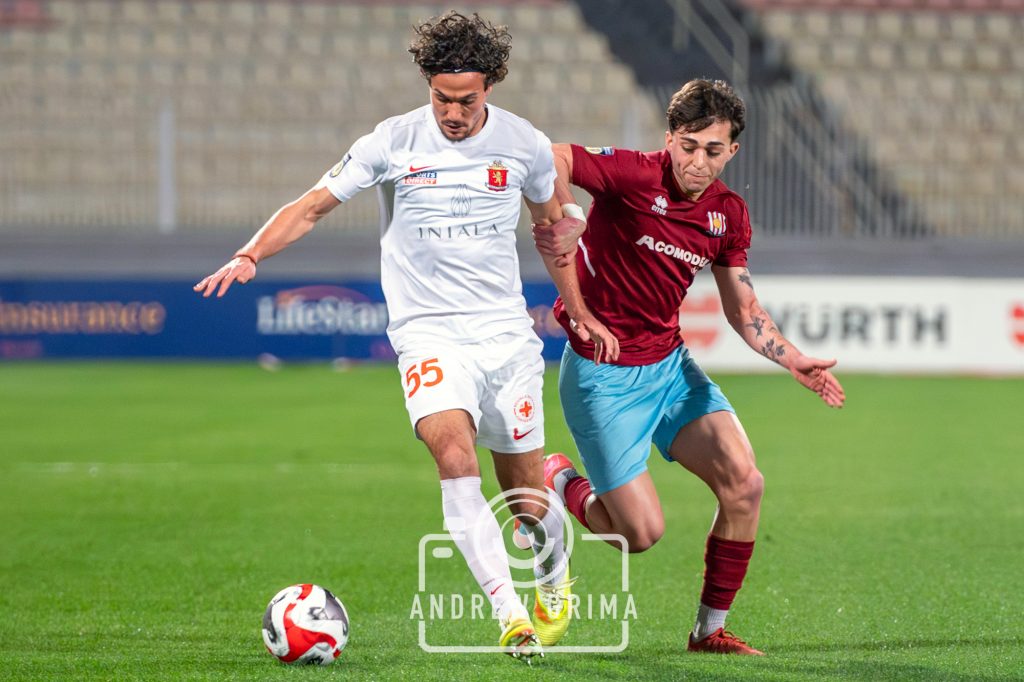
Maltese football finds itself in one of those occasions where sunny weather and optimism from above attempt to hide a series of questions. The new season of the top flight kicked off on August 14th and the atmosphere across the island far from peaceful. Floriana come into the contest as last year’s winners, but it isn’t just talk about who might look like the strongest team in the competition. There are also questions being asked as to whether the structure of the league really works, whether the biggest summer signings will live up to the hype, and whether a sport looking to modernize can shake its old problems.
That is why the early feel around Malta’s new campaign is a little sharper than usual, and in the middle of that wider buzz Rocky Spin fits neatly into the same rhythm because punters there can place bets on any Maltese football matches while clubs try to sell certainty that does not really exist yet. On paper, this opening stretch should be about clean slates. In reality, every serious side walks into August carrying either pressure, gossip, or some loose thread from the previous run.
Floriana start on top but not in comfort
The title won by Floriana in the previous season altered the atmosphere in the club, but the title could not guarantee peace for them. The champions faced what the local press called a difficult start of the season, and this is important since the defense of titles in Malta is never an easy task that relies on good vibes only. Defending champions may look strong in May and then struggle to find their feet in September just because of difficult initial weeks. In addition, Floriana did some rebuilding work in June, signing defender Amar Drina from Bosnia and Herzegovina, winger Robert Murić and striker Tomislav Gudelj from Croatia, as well as renewing a number of players from the title-winning team.
The only thing here is the normal league-side suspicion that title winners will be found wanting sooner, used up quicker, and hunted down by every team looking for the early bragging rights.
Sliema Wanderers have become the league’s noisiest story
Sliema Wanderers have not made their mark this summer like no other club has done. The biggest piece of news for Sliema this summer was Teddy Teuma’s return to the club for two years. This piece of news carried weight because this was not any other good signing from domestic leagues. This was a statement being made by the club. President Walter Arciola had no problem stating that through Teuma, Henry Bonello and Alex Satariano, Sliema want to be more than relevant.
This is where the rumor factor comes into play. No sleazy scandal here but a pure football conundrum. Is this an intelligent revival or a spending spree which could end up being top heavy come autumn? The sponsorship between Sliema and Betsson added even more clout to this whole affair since when finances, marketing and ambitions get involved, there is always the quest for either a bang or bust. Right now, it is evident that Sliema Wanderers FC is putting in effort and desire. The question is whether this desire would materialize into tangible results.
Hamrun, Birkirkara and Hibernians are not standing still
Hamrun Spartans never really leave the frame in Malta, and they have not behaved like a club ready to disappear this season either. Messie Biatoumoussoka, Tobias Bjørnstad and Marcelo were among the incoming names during June and early July, showing that Hamrun still prefer aggressive squad management to passive hope. If there is a fresh rumour around them, it is the usual one: whether another European push will sharpen them or drain them before the domestic race gets serious. That question always follows clubs from smaller leagues when they try to balance both worlds.
Birkirkara look different too. Fabrice Ondoa, Wesley Frazan, Rashed Al-Tumi and Fernandinho give the side a distinctly rebuilt spine, which is exciting but also risky because heavy summer surgery usually needs time. Hibernians have moved more selectively, with Rwandan forward Joy-Slayd Mickels being among a host of new players brought this summer. In both cases the buzz is similar. These clubs are trying to close the gap without falling into the trap of changing too much too fast.
The format row is still alive and nobody is hiding it
One of the clearest non-transfer stories is the continuing argument over the league format itself. Local reporting this week made it plain that clubs will decide at the end of the 2026-27 campaign whether the current model should stay or go, after months of criticism from supporters and football people who never really bought into the split-season logic. That matters because format debates are not cosmetic. They shape scheduling, recovery, pressure, and even how a table feels from one month to the next. If half the football public is still trying to decide whether the structure adds drama or just noise, then the product is still on trial.
This is also where politics starts creeping in around the edges. Joseph Muscat’s confirmed role as league chairman has guaranteed extra scrutiny, fair or unfair, because his name carries weight far beyond football. The league’s March announcement of a planned Malta Premier Stadium in Marsa for around 5,000 spectators, with officials even talking about possible foreign support through citizenship-by-merit channels, only added more debate. Some see ambition and overdue infrastructure. Others see a project that could become another argument before it becomes a stadium.
The darkest shadow is still integrity
The most serious confirmed issue hanging over Maltese football is not gossip at all. It is integrity. In late May, the Malta FA said its Integrity Officer received a joint report from Valletta and Gżira United alleging an attempt to induce a player to manipulate the FA Trophy Final. The association referred the matter to the Executive Police, said the person of interest was a currently registered player not attached to either finalist, and placed that player on precautionary suspension from national-team selection. Valletta and Gżira then issued a joint statement confirming the matter had been reported immediately and that both clubs would cooperate fully.
That does not mean the new league season is shadowed by match-fixing. It does mean the opening weeks arrive with a credibility test already in the room. Maltese football has worked hard to look more professional, and in some ways it genuinely has. Licensing reforms, infrastructure planning and stronger squad building all point in that direction. But one integrity case can undo months of clean messaging, especially in a league where perception travels faster than official process.
So the season has started, but the real story is not simply who wins first. It is whether Malta’s top flight can match its ambition with calm, whether its stronger clubs can carry the extra attention, and whether the noise around format, governance and integrity fades or gets louder. The football should be good enough to matter on its own. Right now, that is not the only fight on the island.