
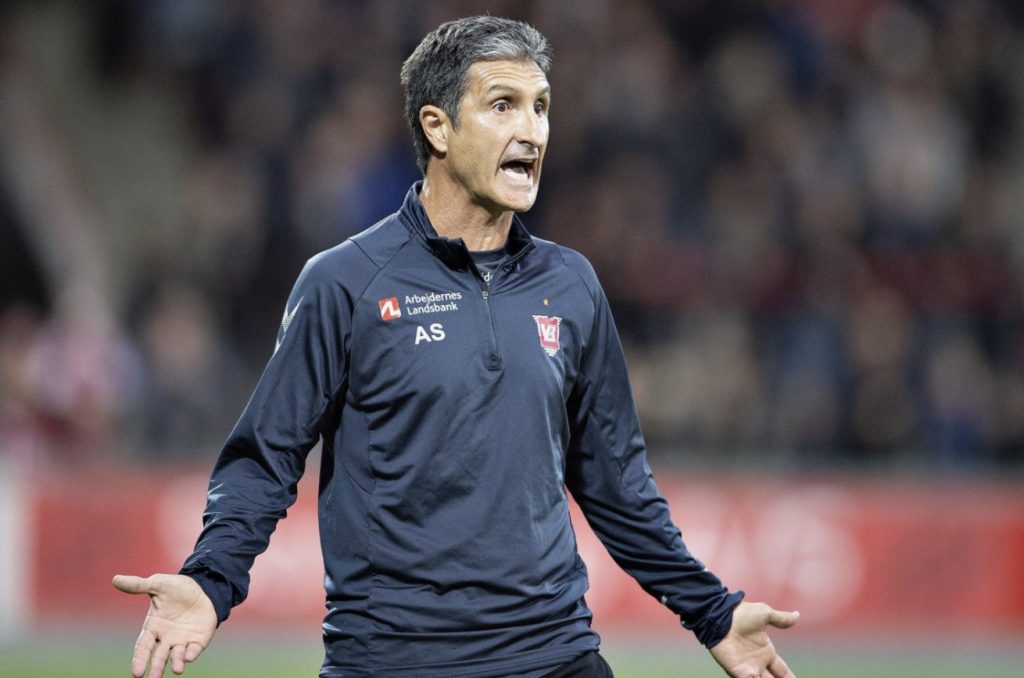
There is nothing new about Maltese football having developed a penchant for condensing major decisions into a brief period of time, and this latest incident at Żabbar St. Patrick is simply one example of that pace. Gilbert Agius had mutually decided to step down from the bench following his success in saving his side from relegation in the league, and the club was quick to appoint Adolfo Sormani as their new manager. The fact that this happened so quickly may be just as significant as who took charge.
A coaching switch that lands in a wider Maltese football economy
That urgency also spills beyond the pitch. In a market where online gambling, Maltese football betting and traffic around matchweek storylines feed the same attention cycle, even an anchor like Velwins casino can sit naturally inside the broader discussion about how coaching changes alter odds, sentiment and the way smaller leagues are consumed. The move has arrived at a moment when local football stories travel faster than before, and managerial appointments in Malta no longer live only in club circles but in a wider digital ecosystem built on previews, betting chatter and constant reaction.
Gilbert Agius leaves after doing the hard part
Agius did not leave behind a cushy assignment. From what one could tell from the statement provided by the club on the website MaltaFootball and further on the Times of Malta Sport report, he had stepped up in February at a difficult period when his team had failed to earn any points from the first five games of last season’s Closing Round. What is more, he managed to make his team survive and stay in the Maltese Premier League for the third consecutive year. His stint definitely acquired some significance because his role was not that of an aesthete but of a man helping his team stay afloat.
The end of the road, however, came at a time when the campaign had barely begun. According to Times of Malta Sport, the team had started off with a poor performance and were occupying one of the lowest positions in the league table, and their new owner Dragan Solak was said to have been determined to appoint a new manager for the first team. This makes the entire process even more interesting. This is not just a case of wrapping up an era. It seems to have been an attempt at reinvention.
Adolfo Sormani arrives with a very different CV
While Agius represents the local rescue effort, Sormani is something else entirely. Both MaltaFootball and MaltaSport have referred to him as an experienced coach having coached abroad, and his resume as one who has coached abroad is impressive enough on its own. Sormani has coached at the youth levels of Juventus and Napoli, been Gianfranco Zola’s assistant at Watford, and managed Südtirol, Partizani Tirana, and Vejle Boldklub – the latter securing promotion to the Danish Superliga. Most recently, he was coaching HB Tórshavn in the Faroe Islands, where he won the Faroese Cup and the Super Cups.
It matters in the context of Malta because there is an implication that there is a club looking for form instead of chaos. Sormani is not coming as a flashy appointment who comes with a catchy quote to justify his employment. He has a UEFA Pro Licence and is conversant in Italian, English and Portuguese, and he is accompanied by Giovanni Mazzella as a technical collaborator, which means that this is a package deal. The clubs from smaller leagues tend to talk of processes but act through intuition. This is not the case with the move under consideration.
Why Żabbar St. Patrick are changing tone, not just changing manager
It is not whether Sormani has a better CV than his predecessor. He obviously has on paper. It is rather what kind of football club Żabbar intends to transform into under his leadership. Agius had already demonstrated that the club was capable of fighting back, surviving and living through all of their matches. This latest signing indicates that the club board wants a club which is more organized, modern and understandable throughout the entire season. In Malta, where there is not much space for mistakes and errors in any aspect of football play, such clubs often succeed faster than anyone would have imagined.
This transition also comes with symbolism. The club has already endured through difficulties, and they have decided to put the reins in the hands of a coach who boasts an impressive resume in Italy, England, Albania, Denmark and the Faroe Islands. This doesn’t necessarily mean success in the future; after all, Maltese football tends to be very difficult on foreign credentials once the unique character of the game emerges. But it does demonstrate that they are trying to raise their limits rather than just defend their bottom line. In a league where dynamics can shift in the blink of an eye, it could end up being one of the most interesting subplots of the year.
What the appointment could mean on the pitch
The history of Sormani indicates a manager who is accustomed to development setups, as well as top teams, and the combination might serve the team well. Those who have been in the business of coaching top youths would certainly leave their fingerprints in terms of training methods, technical instruction and development of players, whereas stints in various senior leagues would definitely help in terms of flexibility. The experience of a manager who has played around in different systems and situations, from youth academies to promotion battles and even title-winning teams, would certainly know how to assess the strength of his squad. That could be the real worth of the appointment. The Żabbar team does not require any mythologies.
The inclusion of Mazzella provides another piece of the puzzle. Teams do not necessarily highlight the supporting cast behind a new hire if they believe that the rest of the football staff will be moving with the new person. This means that the change is seen as something other than merely a simple voice change and more of a new way of working. If this interpretation is correct, then fans will not just evaluate this era on success but also on whether the team begins to play with better organization and more composure off and on the ball.
A Maltese story with sharper stakes than it first appears
This is what makes the appointment all the more interesting. It is not simply the instance where one individual who sits on the bench steps down and another takes his place. Rather, it is a matter of timing, intention, survival, aspiration and a recognition of the rising profile of Maltese football within an instant-response online world. Agius departs with the legacy of bringing the team through a tough patch. Sormani joins with the record of bringing added interest and expectation to Żabbar Football Club. Whether it leads to stability, progression or something entirely different will tell the tale of the next part of the story.