
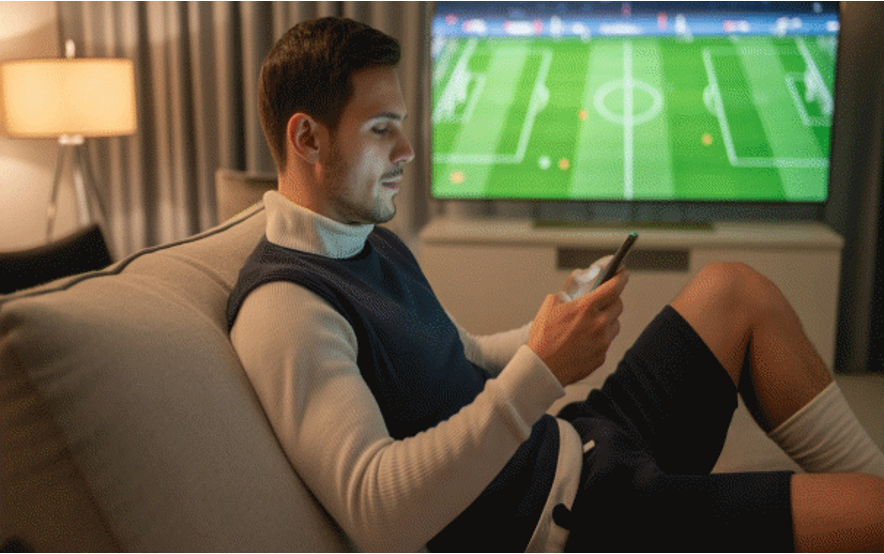
The life of a professional footballer is far more demanding than most people realize. Between grueling training sessions, tactical meetings, match preparations, and the constant pressure to perform at the highest level, players need effective ways to decompress. Modern football culture has evolved to recognize the importance of mental health and relaxation, with clubs and players alike embracing diverse methods of unwinding that go beyond traditional team bonding activities.
While some athletes stick to conventional relaxation methods like reading or spending time with family, others have discovered the appeal of digital entertainment platforms. Many players now explore online gaming options during downtime at training camps or hotels before away matches, with platforms like bookofbonus offering comprehensive guides to safe and fair gaming experiences that help them relax without leaving their accommodations.
The Demanding Schedule of Professional Footballers
Understanding how footballers unwind requires first appreciating the intensity of their daily routines. Professional players typically start their days early with breakfast followed by morning training sessions that can last two to three hours. Afternoons might include gym work, physiotherapy, video analysis, or tactical meetings. For players competing in multiple competitions like the UEFA Conference League, Champions League, or domestic cups, the schedule becomes even more compressed.
| Time Period | Activity | Duration |
| 8:00 – 11:00 | Morning training session | 3 hours |
| 14:00 – 16:00 | Gym work and recovery | 2 hours |
| 16:30 – 18:00 | Tactical analysis | 1.5 hours |
| Evening | Personal time and recovery | Variable |
This demanding schedule leaves limited windows for genuine relaxation, making the quality of downtime absolutely critical for mental and physical recovery.
Traditional Methods of Relaxation
Many footballers rely on time-tested relaxation techniques that have been part of football culture for decades. Team bonding activities remain popular, with players often gathering for meals, card games, or simply socializing in hotel lounges during away trips. Some prefer solitary activities like listening to music, watching films, or catching up on football news through sources like lequipe to stay connected with the broader football world.
Physical Recovery Activities
Interestingly, some players unwind through light physical activities that differ from their training routines. Swimming, yoga, and stretching sessions help them relax while maintaining flexibility. Others enjoy recreational sports like golf, basketball, or tennis that engage different muscle groups and provide a mental break from football-specific movements.
The Rise of Digital Entertainment in Football Culture
The younger generation of footballers has embraced digital entertainment as a primary relaxation method. Video gaming consoles are now standard equipment in training ground lounges and hotel rooms. Players compete against teammates in popular games, creating friendly rivalries that strengthen team chemistry while providing stress relief.
Online Entertainment Options
Beyond console gaming, many players explore online entertainment platforms during extended stays at training camps or while traveling for European competitions. The appeal lies in the accessibility and variety these platforms offer, allowing players to unwind on their own schedules without requiring physical presence at specific locations.
Key Benefits of Proper Downtime for Athletes
Mental clarity: Regular breaks from football-related activities help players maintain focus and decision-making abilities during matches
Stress reduction: Engaging in enjoyable activities lowers cortisol levels and reduces performance anxiety
Improved sleep quality: Proper relaxation routines contribute to better rest, essential for physical recovery
Team bonding: Shared leisure activities strengthen relationships between teammates, improving on-field chemistry
Injury prevention: Mental fatigue contributes to poor concentration, which can lead to injuries during training or matches
Conclusion: Balance as the Key to Peak Performance
The modern footballer’s approach to unwinding reflects broader changes in sports science understanding. Clubs now recognize that recovery encompasses both physical and mental dimensions, with quality downtime being non-negotiable for sustained high performance. Whether through traditional methods like team activities and family time, or contemporary options like digital entertainment platforms, the essential factor remains finding personal relaxation strategies that genuinely reduce stress and restore energy. As football continues evolving with increasingly demanding schedules, the ability to effectively unwind may prove as crucial to success as tactical knowledge or physical conditioning.