

There’s a specific nostalgic charm to old event posters — the slightly worn paper texture, the bold hand-lettered typography, the confident illustration style of a bygone advertising era.
Recreating that look for a real historical event is one thing, but designing it for something entirely imaginary — a fictional circus, an invented film festival, a made-up World’s Fair pavilion — takes real creative imagination paired with genuine design skill.
An AI image generator from text makes that combination accessible to anyone, and Dreamina is particularly good at capturing the specific visual grammar of vintage poster design without it looking like a modern imitation. Here’s how to design a poster for an event that never happened.
Why vintage style is more than just a faded filter
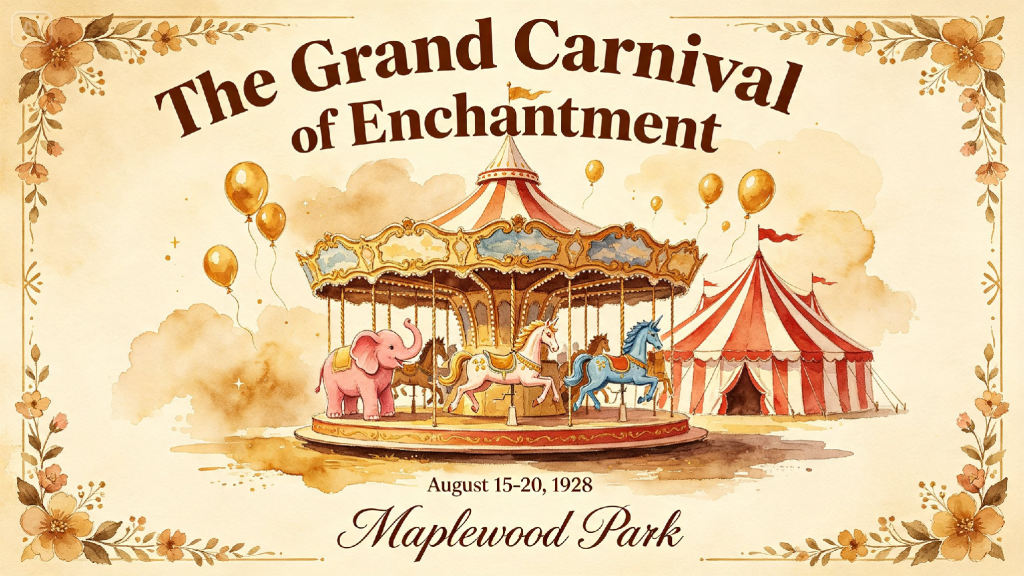
Genuine vintage poster design isn’t achieved by simply desaturating a modern image — it relies on specific stylistic conventions from its era: flat illustrated color blocks instead of photorealism, bold, confident typography, and simplified figures rendered with intentional graphic style. Understanding these conventions is what separates convincing vintage art from a modern photo with a sepia tint slapped over it.
Inventing an event worth advertising
The best imaginary event posters start with a genuinely interesting concept, not just a vague theme. A specific, slightly absurd or wonderfully strange idea — an underwater jazz festival, a floating city’s grand opening, an annual gathering of amateur inventors — gives the poster something memorable to actually advertise.
- A clear, specific event name and purpose
- A defining visual symbol tied to the event’s concept
- A time period aesthetic to anchor the overall style
Matching color palette to era
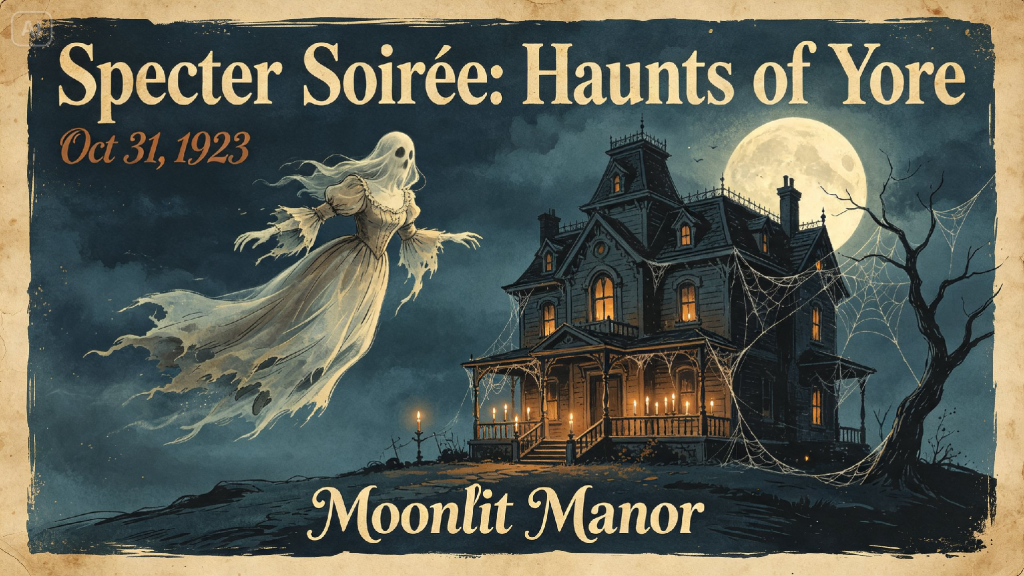
Color conventions shifted a lot decade to decade, and getting this right does more for authenticity than almost any other detail. Bold primary blocks and warm earth tones read as 1920s-40s, while teals, oranges, and mustard yellows signal mid-century. Naming a specific decade rather than just “vintage” gives Dreamina a much clearer palette to work from.
Choosing a format that fits the era’s medium
Vintage posters weren’t all designed the same way — some mimicked hand-painted circus banners, others leaned toward clean mid-century travel print style. Specifying which tradition you’re drawing from, alongside the era, helps keep the illustration style and layout choices consistent rather than blending two eras into one confused look.
Dreamina’s models and their range across eras
Seedream 5.0 Pro
The newest and most capable model in Dreamina’s lineup, Seedream 5.0 Pro is the top choice for vintage poster work because of how well it captures the flat, confident illustration style of period advertising while still keeping fine details like texture and typography cues sharp and legible.
Nano Banana
A fast, lightweight option well suited to testing different imaginary event concepts or color palettes quickly before investing time in a fully detailed final poster.
GPT Image 2
Handles prompts describing multiple specific stylistic elements at once particularly well, useful when your poster concept includes several precise period details you want represented accurately together.
From imaginary idea to finished poster in three moves
Dreamina makes designing this kind of nostalgic artwork feel remarkably close to flipping through a real vintage poster archive.
Step 1: Write a text prompt
Open Dreamina and describe your imaginary event along with the specific era’s poster style you’re aiming for — bold flat illustration, ornate typography cues, and a defined color palette. Upload a reference image of a real vintage poster style if you have one to guide the aesthetic.
Example: A vintage poster illustration advertising an imaginary 1950s underwater exploration expo, a person dressed as an intrepid deep-sea diver standing beside a submarine, bold retro color blocks, ornate mid-century typography, warm teal and orange palette, aged paper texture.
Step 2: Adjust parameters and generate
Select Image 5.0 Pro, powered by Seedream 5.0 Pro, for confident illustrated linework and consistent, period-accurate color rendering, then set your aspect ratio to a tall poster format, choose your canvas size, and pick 1K or 2K resolution depending on whether it’s for digital sharing or actual print. Click the generate icon to render your design.
Step 3: Customize and download
Polish the result with Dreamina’s editing tools: inpaint to adjust specific illustrated details, expand to extend the composition for additional text space, remove to clean up unwanted elements, and retouch for that final aged, authentic finish. Once it’s ready, click Download.
Typography and layout that feel authentically period-accurate
Real vintage posters relied heavily on bold, often hand-lettered typography integrated directly into the illustration rather than layered on top afterward. Leaving intentional space within your composition for this kind of integrated text, and describing a specific lettering style in your prompt, pushes the final result much closer to genuine period design.
Weathering and texture as authenticity signals
Small imperfections — slightly faded color, subtle paper grain, a hint of edge wear — do enormous work in selling the illusion of age. These details, added during the customization step, are often what makes a poster feel discovered rather than freshly designed.
Where imaginary event posters find their audience
This kind of nostalgic, narrative-driven artwork performs particularly well in:
- Themed party and event decor
- Fictional worldbuilding for novels, games, and films
- Printed art collections and gallery-style wall displays
- Social media content built around invented histories
Advertising a moment that only exists in imagination
There’s something delightful about a poster convincingly promoting an event that never actually happened. With Dreamina and the period-accurate detail of AI algorithms, bringing that imaginary event to life on paper is both a genuine creative challenge and a genuinely fun one — free to start the moment inspiration strikes.