
For nearly two decades, gambling sponsorships in football turned matchday shirts into billboards for betting brands. What many fans never realized is that a small Mediterranean island powered much of this trend. Malta became the regulatory home for dozens of operators that plastered their names across Premier League, La Liga, and Serie A kits.
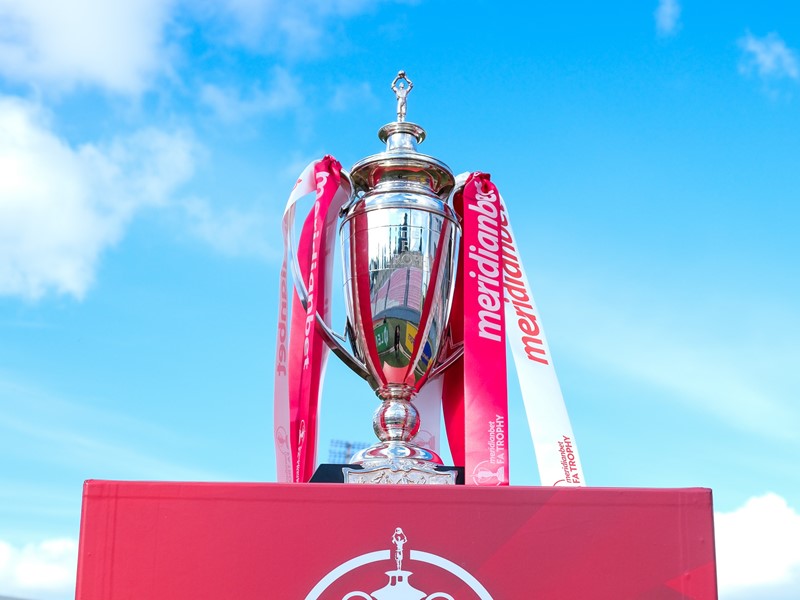
The influence doesn’t stop at international football. Malta’s own domestic competitions reflect the same trend. Betting brand Meridianbet currently sponsors the Maltese FA Trophy, one of the island’s most prestigious cup competitions. This shows how deeply embedded the iGaming sector is within Maltese football culture at every level.
Now, as European governments ban these sponsorships, Malta’s massive iGaming sector faces a pivotal shift. This article explains how Malta-licensed operators fuelled football’s betting boom, why regulators stepped in, and what 2026 holds for both industries.
Why Malta Became the Engine Behind Football Betting Sponsors
Malta made a bold move in 2004. It became the first EU member state to regulate online gambling, establishing the Malta Gaming Authority as a credible licensing body. That decision transformed the island into Europe’s iGaming capital.
Today, over 300 gaming companies hold MGA licenses. The sector employs more than 12,000 people and contributes roughly 12% of Malta’s GDP, according to MGA reports. Brands like Betway, Tipico, and Betsson built their European operations from Maltese headquarters.
These licensed casino operators in Malta used football sponsorships as their primary customer acquisition tool. An MGA license gave them regulatory credibility. A Premier League shirt deal gave them global visibility. The combination proved irresistible.
Pro Tip: When choosing an online casino, check whether it holds a valid MGA license. The Malta Gaming Authority enforces strict player protection rules, including deposit limits and self-exclusion programs.
How Malta-Licensed Operators Dominated Football Kits
By the 2016/17 season, 10 out of 20 Premier League clubs displayed a gambling firm as their front-of-shirt sponsor. A significant number of those brands operated under Maltese regulation.
Here are some notable deals involving Malta-connected operators:
- West Ham earned around £10 million annually from Betway, an MGA-licensed brand.
- Everton received roughly £9.6 million per year from Stake.com.
- Tipico, licensed in Malta, sponsored major Bundesliga clubs.
- Betsson, headquartered in Malta, held sponsorships across Scandinavian and European football leagues.
- EFL’s Sky Bet title deal was worth approximately £40 million over four years.
Collectively, Premier League clubs earned over £100 million per season from gambling sponsorships at peak levels, according to Deloitte’s Football Money League. Malta’s regulatory framework made it possible for many of these companies to operate legally across multiple European markets simultaneously.
The Backlash That Changed Everything
Public opposition grew steadily. A 2020 University of Bristol study found that children exposed to gambling branding during football recalled betting company names at significantly higher rates than other sponsors. Advocacy groups used these findings to demand government action.
Italy acted first. The Decreto Dignità, enforced in 2019, banned all gambling advertising in sport. Many of the affected sponsors were Malta-licensed companies serving the Italian market.
Spain followed with Royal Decree 958/2020, restricting football betting sponsorships from 2021. Belgium completed its phased ban by 2025.
In the UK, the 2023 white paper High Stakes: Gambling Reform for the Digital Age proposed sweeping reforms. Premier League clubs then agreed to a voluntary front-of-shirt ban, taking full effect from the 2026/27 season.
Additionally, the UK Gambling Commission tightened rules on advertising during live sport before the watershed. Each ban directly impacted Malta-based operators that had relied on football exposure to drive sign-ups across Europe.
What the Bans Mean for Malta’s iGaming Economy
Football sponsorship bans pose a challenge for Malta’s gaming sector. Shirt deals were among the most effective marketing channels for operators based on the island. Without them, companies must find new ways to attract and retain players.
The impact includes:
- Reduced brand visibility for Malta-licensed operators across European football.
- Increased spending on digital marketing, including social media and influencer campaigns.
- Greater investment in responsible gambling tools to satisfy evolving MGA requirements.
- Diversification into esports and non-football sponsorships.
- Potential consolidation as smaller operators struggle to compete without affordable mass-market advertising.
However, Malta is adapting. The MGA introduced updated player protection directives in 2024, requiring licensees to implement stricter affordability checks and limit advertising exposure to minors. These proactive regulations position Malta as a responsible jurisdiction, which may attract new operators seeking credibility in a post-sponsorship landscape.
The UK gambling industry’s gross yield still reached £15.63 billion between April 2023 and March 2024, proving consumer demand persists. Malta-licensed firms remain well positioned to capture that demand through digital channels.
What Comes Next for Malta and Football in 2026
The era of betting logos on football shirts is ending. However, the relationship between Malta’s gaming industry and football is evolving rather than disappearing.
Malta-licensed operators are now focusing on:
- Data partnerships with football leagues and analytics providers.
- Responsible gambling campaigns tied to matchday content.
- Sleeve and digital advertising where regulations still permit it.
- Targeted online campaigns replacing blanket stadium branding.
Malta’s first-mover advantage in regulation continues to matter. As other jurisdictions tighten rules, operators already accustomed to MGA compliance standards will adapt faster. The island’s role in global gambling will shift from football shirts to digital platforms, but its influence will remain significant.